
Your Auto Policy Probably Doesn't Cover What You Think It Does
Most RV owners are surprised to learn that a standard auto insurance policy doesn't extend full protection to a motorhome or travel trailer. Auto policies are written around vehicles you drive to work or the store — not a rolling living space with furniture, appliances, personal belongings, and guests inside. RV insurance fills that gap with coverage built specifically for how you actually use your rig.
Whether you're a weekend camper in the Pennsylvania hills or a seasonal RV owner parked near Maryland's Eastern Shore, getting the right policy in place before you hit the road is worth a conversation.
Motorized RVs vs. Towable Trailers: Coverage Works Differently for Each
What Type of RV Do You Have?
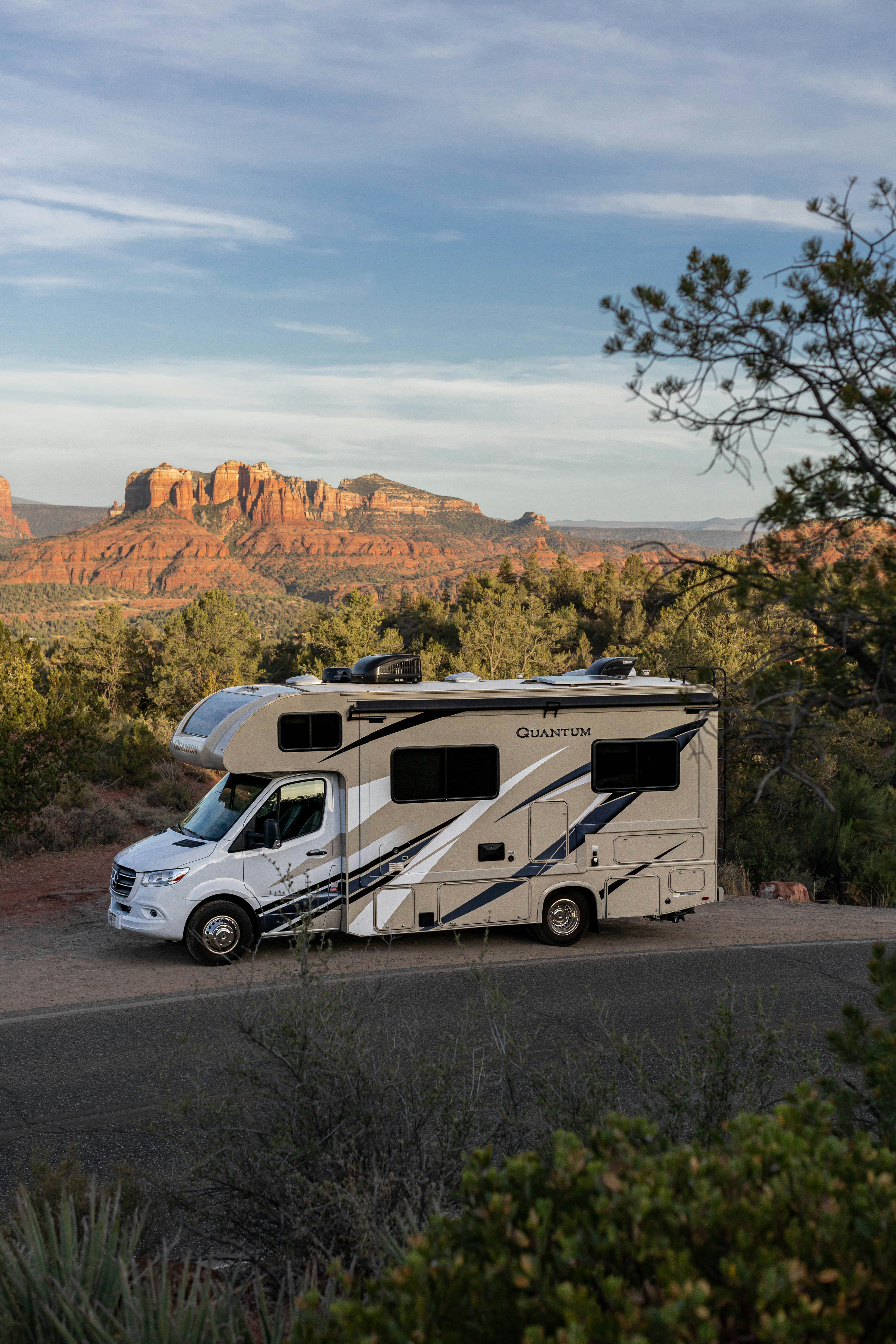
Motorized RVs — Class A, B, and C Motorhomes
A motorhome is a self-propelled vehicle, which means it needs its own insurance policy separate from your personal auto coverage. Motorhome insurance typically includes liability, collision, comprehensive, and uninsured motorist protection — similar in structure to auto insurance, but written to account for the size, value, and living-space nature of the vehicle. If you cause an accident on the highway or in a campground, your auto policy won't respond for a Class A coach.
Motorhome coverage can also include:
- Vacation liability — protection if someone is injured at your campsite
- Personal contents coverage for belongings kept inside the RV
- Emergency expense coverage if your motorhome becomes uninhabitable on a trip
- Attached accessories and awnings
- Full-timer coverage if the motorhome is your primary residence
Towable Trailers — Travel Trailers, Fifth Wheels, and Pop-Ups
A towable trailer doesn't have its own engine, so it doesn't require a separate liability policy the way a motorhome does. Your tow vehicle's auto policy may extend some liability protection while the trailer is attached and moving. But that coverage stops the moment you unhitch. If your travel trailer is parked at a campsite and someone trips over your leveling blocks, or a storm rolls through and damages the unit, your auto policy won't help. A standalone trailer policy covers the trailer itself, its contents, and liability while it's parked and in use.
Full-Time RV Living
If your RV is your primary residence — or you spend more than a few months a year living in it — standard RV policies may not be sufficient. Full-time RV insurance is structured more like a homeowners policy and includes higher liability limits, personal liability coverage, and loss-of-use protection. If this describes your situation, it's worth a direct conversation with one of our agents to make sure your coverage matches your lifestyle.
Full-time and extended-use coverage is available for both motorized and towable units. We'll ask the right questions to figure out which structure fits you.
Seasonal Use Shouldn't Mean Paying for Coverage You Don't Need
Many RV owners in Pennsylvania and Maryland use their rigs for a few months out of the year — spring through fall camping season, summer trips to the shore, or a handful of long weekends. We can structure RV coverage around your actual usage patterns so you're not carrying a full-year premium for a vehicle that sits in storage half the time. Seasonal and storage-period options are available, and we'll walk you through what makes sense for your situation.
Common Questions About RV Insurance
Does my auto insurance policy cover my motorhome?
Not in the way most people assume. A standard personal auto policy may provide some liability coverage while a towable trailer is attached and in motion, but it does not cover a motorized RV as a separate vehicle. Motorhomes require their own policy with liability, physical damage, and contents coverage built specifically for them.Do I need separate insurance for my travel trailer?
You don't need a separate liability policy while the trailer is being towed, but you do need separate coverage for the trailer itself — and for liability while it's parked and in use. If your trailer is damaged in storage or someone is injured at your campsite, your auto policy won't respond.What is vacation liability coverage?
Vacation liability covers you if someone is injured at your temporary campsite or in the area around your parked RV. It's a coverage type unique to RV policies and one that's easy to overlook until you need it. Standard auto and homeowners policies typically don't extend this protection.Can I insure the belongings I keep inside my RV?
Yes. Personal contents coverage can be added to most RV policies to cover items like clothing, electronics, camping gear, and kitchen equipment stored inside the unit. Your homeowners or renters policy may offer limited coverage for off-premises personal property, but dedicated RV contents coverage is usually the cleaner solution.Do you offer RV insurance in both Pennsylvania and Maryland?
Yes. We serve RV owners throughout Pennsylvania — including York, Hanover, and Gettysburg — and across Maryland's Eastern Shore, including the Berlin and Ocean City areas. Whether you're camping inland or spending the season near the coast, we can put together coverage that fits.
Get RV Coverage That Fits How You Actually Use It
We work with multiple carriers to find RV and motorhome insurance that fits your rig, your route, and your budget. Our agents have been helping Pennsylvania and Maryland families get the right coverage since 2005, and we're happy to walk you through the differences between policy types without the pressure. Give us a call or request a quote online — we'll take it from there.